
Religious Abuse
Understanding Power, Control, and Exploitation
Complex Factors of Religious Abuse
Religious abuse often differs from other forms of abuse because it occurs within systems that are meant to provide safety, meaning, and moral guidance.
When abuse occurs within a religious or spiritual community — by someone seen as representing a religious ideal — the losses multiply. Survivors are not only coping with harm caused by another person, but also with harm that occurred in a space believed to be safe, and possibly even sacred. Religious abuse therefore often carries multiple, overlapping layers of impact.
In high-control groups, institutional reputation is frequently prioritized over a victim's wellbeing. Denial, victim-blaming, cover-ups, and pressure to protect leadership can further isolate survivors and deepen the harm.
Impact of Power Dynamics
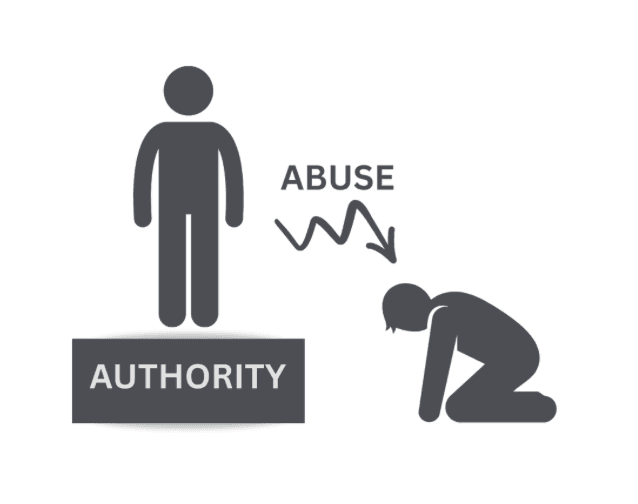
A power dynamic exists when one person holds authority over another. Religious authority represents one of the most extreme forms of power, because it is often perceived as coming from a divine source. There is no greater claim to authority than speaking on behalf of God for others.
Examples of Power Dynamics
Religious leadership positions — pastors, priests, and teachers
Claims of special knowledge or direct inspiration from God
Use of religious texts as authority — especially texts that emphasize submission, obedience, and hierarchy within human relationships
Types of Religious Abuse
Sexual Abuse
Sexual abuse within religion is a devastating reality. Survivors may struggle with complex feelings of confusion, guilt, and spiritual disillusionment.
Clergy sexual abuse carries an exacerbated degree of betrayal, as the harm is inflicted by an individual perceived to represent a divine authority.
Any sexual relationship between a pastor or church leader and a parishioner is fundamentally unethical. Given the inherent power imbalance in these relationships, true consent by a congregation member is unattainable.
Spiritual Abuse
Spiritual abuse involves using religious beliefs, scripture, or authority to control another person. This may include enforcing obedience, inducing guilt or fear, restricting personal autonomy, claiming divine authority for harmful behavior, or punishing questioning and doubt. Over time, spiritual abuse can erode a person's self-worth, agency, and connection to their own spirituality.
Spiritual abuse is often subtle, normalized, and difficult to recognize — especially when harmful behaviors are framed as “love,” “guidance,” or “spiritual discipline.”
Financial, Labor & Talent Exploitation
Exploitation of finances, labor, and talent is a common — but often overlooked — form of religious abuse. Many high-control groups pressure members to give beyond their capacity, volunteer excessive hours, or donate their professional skills without fair compensation.
Exploitation is often perpetrated under the guise of spiritual duty, loyalty, or fear of consequences. Over time, it can drain a person's financial stability, erode their sense of autonomy, and distort their understanding of healthy boundaries and consent. Recognizing these patterns is an important step in healing — no community should demand sacrifices that compromise a person's well-being, livelihood, or dignity.
Resources
Organizations offering support, education, and advocacy for survivors of religious and clergy abuse.
National Domestic Violence Hotline
24/7 confidential support via phone and chat for people experiencing abuse or coercive control.
Call: 1-800-799-7233
Visit Website →Survivors Network of those Abused by Priests (SNAP)
Peer-led support for survivors of clergy and institutional sexual abuse, including support groups, advocacy, and survivor resources.
Visit Website →Clergy Sexual Misconduct Resources
Information about clergy sexual abuse, survivor rights, reporting options, and recovery resources.
Note: This site includes Christian religious language.
Visit Website →GRACE — Godly Response to Abuse in the Christian Environment
Education, survivor resources, and institutional accountability tools addressing abuse within Christian organizations.
Note: This site includes Christian religious language.
Visit Website →Religious / Spiritual Abuse Toolkit — The Family & Youth Institute
Educational resources explaining spiritual abuse, misuse of authority, and coercive religious dynamics.
Note: This site includes Muslim religious language.
Visit Website →Tears of Eden
Supportive resources and community education focused on healing from spiritual abuse and toxic theology.
Visit Website →Experiencing religious abuse does not mean you are weak, complicit, or responsible.
Abuse occurs because of power imbalances and systems that protect authority over people.
Healing involves restoring safety, autonomy, and trust—at your own pace.
What you experienced was real.
If you'd like to talk it through, a free 15-minute consultation is a low-pressure way to start.
Therapy consultations for TN · SC · FL residents · No commitment · Confidential